“My daughter is my only paycheck.”
That is what one father told Domtila Chesang, a women’s rights activist leading the frontline anti-FGM fight in drought-hit West Pokot, Kenya, after losing his animals during a prolonged drought.
“I have had mothers coming to the door of the safe house and pleading with me to release their daughters so they can be married off for the dowry,” says Chesang. Chesang’s organisation, I-Rep, shelters girls at risk of FGM or forced marriage in their safe houses.
“Animals have died because of drought, and families have nothing else.”
Across Africa, frontline women’s organisations are witnessing a hidden consequence of climate change that remains largely absent from international climate discussions: the growing pressure on girls to undergo female genital mutilation (FGM).
Climate change is not only destroying crops, killing livestock and displacing communities. Increasingly, activists are reporting that it is intensifying the economic and social pressures that drive child marriage and FGM.
And while billions of dollars are now flowing into climate adaptation and humanitarian response, less than 3% of funding is reaching the frontline organisations trying to protect girls from the fallout.
A Hidden Consequence of the Climate Crisis
Vulnerable girls are becoming the hidden victims of the climate crisis.
In many communities with high FGM prevalence rates, cutting is closely tied to marriageability.
A girl who undergoes FGM is often viewed as ready for marriage, and cut girls are seen as more valuable in dowry negotiations that uncut girls.
In a time of increased droughts and dead cattle, dowries offer desperately needed economic security, in the form of cattle, goats, food, or cash.
When drought destroys livelihoods, girls increasingly become economic survival strategies.
Kenya: The Price of Droughts
In Kenya’s drought-hit pastoralist regions, activists say this pressure is becoming more visible.
In Garissa County, a Somali region of East Kenya, where prolonged drought and water scarcity have devastated livelihoods, grassroots organisations, such as GirliInd Kenya, say that climate-related pressures are forcing girls out of school and report increasing cases of FGM and early marriage as families struggle to survive.
A UNICEF story (2022) from drought-hit Garissa illustrates how quickly climate collapse can destroy a girl’s future.
Amira, a 12-year-old girl, thought she was attending a wedding celebration. Instead, she discovered she was the bride.
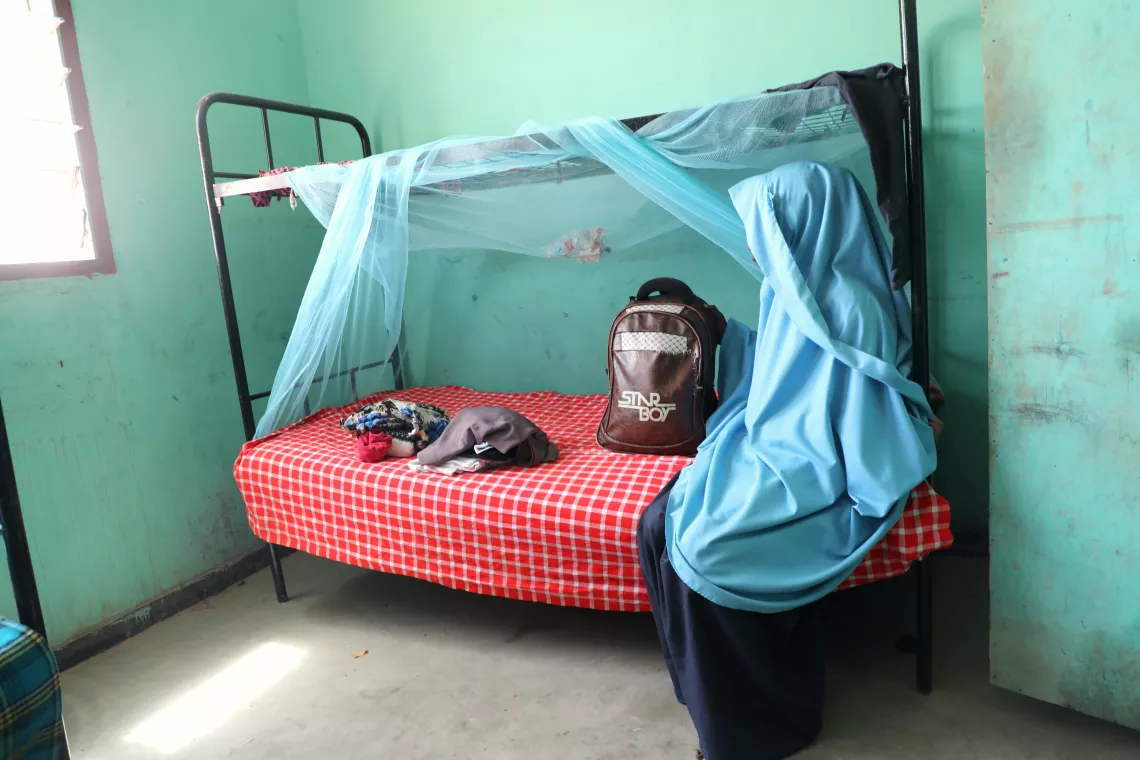
Amira shows her belongings that she was rescued with.
Her family had struggled financially after drought killed half of her father’s cattle.
“We didn’t even have milk to drink when we lost so many cows,” she said.
The man she was expected to marry was reportedly in his seventies.
Frontline organisations say these stories are becoming increasingly common, as the same pattern emerges across Kenya and the continent.
In Meru County, local activists at the Jelida Foundation recently documented a rise in FGM cases linked directly to worsening economic conditions caused by drought. Historically an agricultural region, Meru has experienced repeated crop failures and severe financial strain.
“The rise in FGM cases can be attributed to economic pressures,” Kathure Thiakunu, Executive Director, told GMC. “Families believe that cutting their daughters will enhance their marriage prospects and increase dowry payments.”Jesse Mugambi, local end-FGM activist and founder of frontline organisation Fit For Future in Tharaka-Nithi County, recalled speaking to a cutter who openly described how business increases during periods of severe drought.
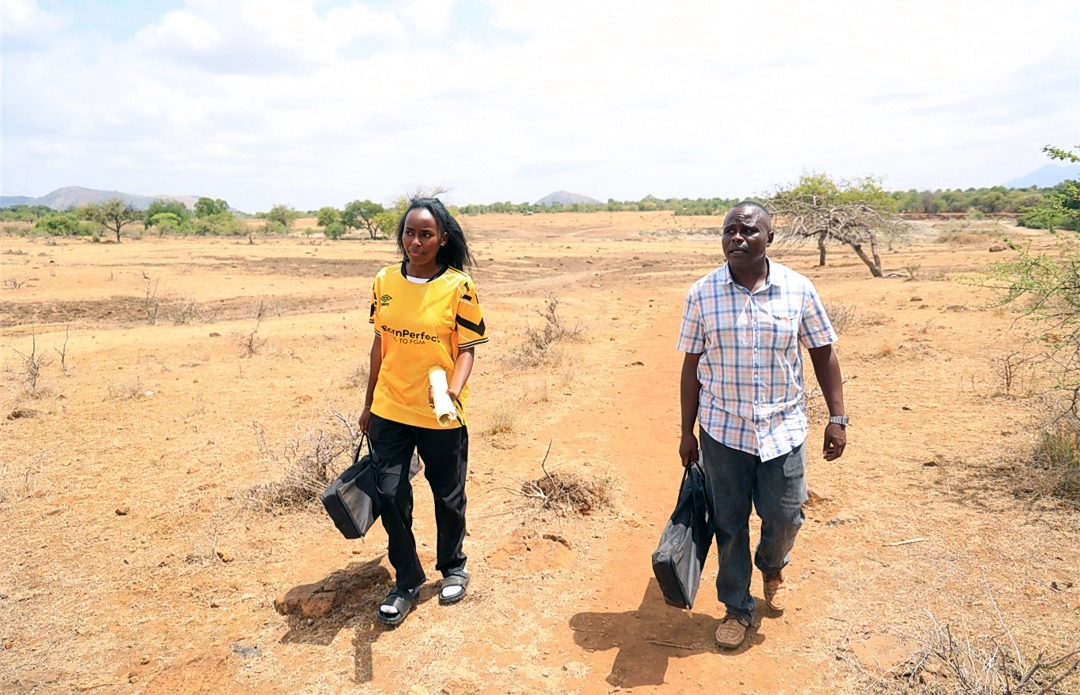
“She informed us that nowadays, they charge around Ksh 4,000 per girl,” Mugambi reported. “When droughts are severe, she told us that they are extra alert to identify whose daughter could be cut so that they can give an offer.”
The Evidence: Climate Change is Increasing the Drivers of FGM
For years it has been clear that FGM cannot be separated from poverty, child marriage, gender inequality, and social pressures. Now climate change is accelerating those same drivers – and many countries most affected by FGM are among the most climate-vulnerable countries in the world.
According to the ND-GAIN Index – developed by the University of Notre Dame to measure how vulnerable countries are to climate change and how prepared they are to adapt to it – around three-quarters of African countries where FGM is practised are considered highly climate vulnerable.
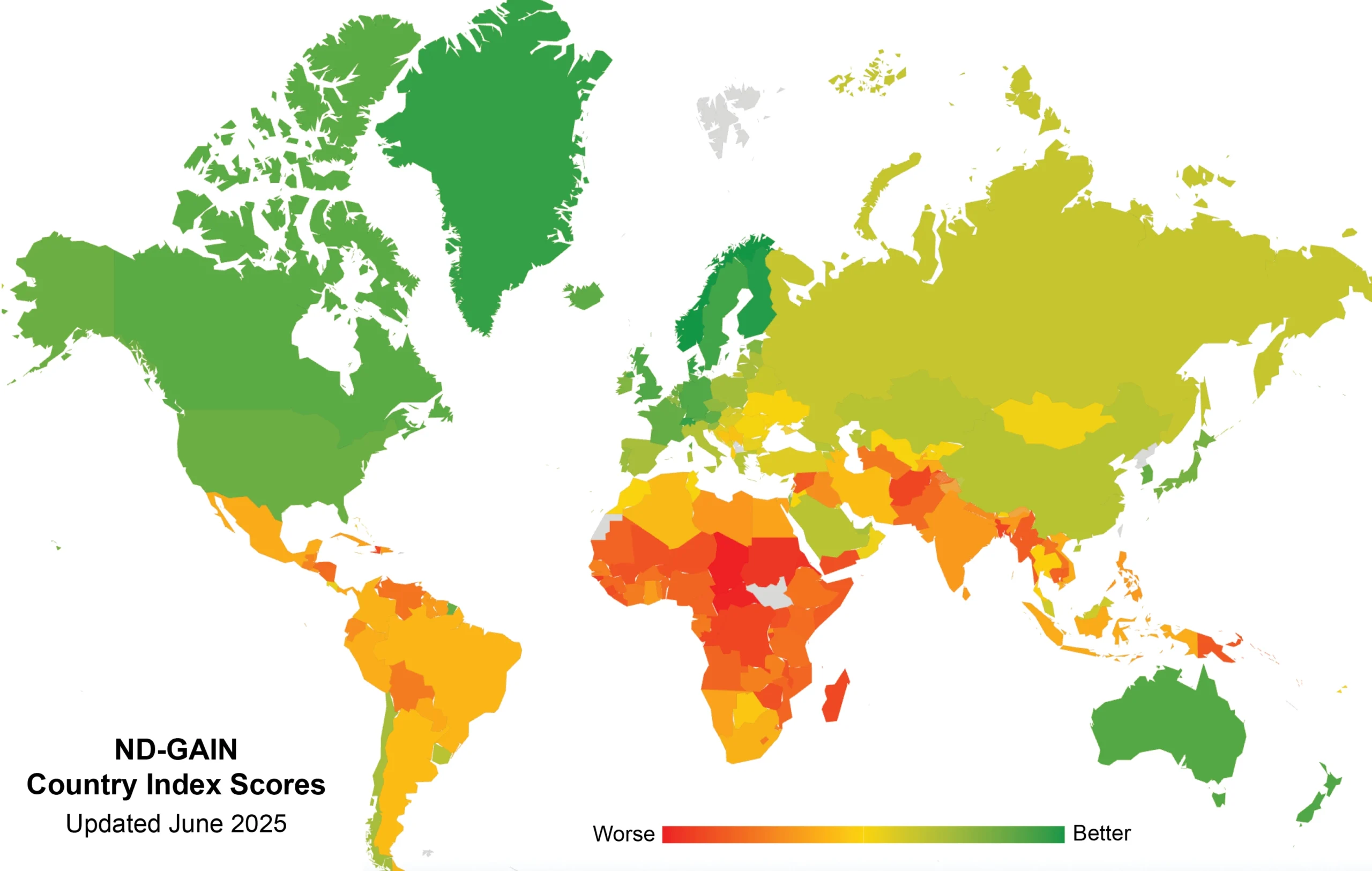
From Somalia and Ethiopia in East Africa, to Mali, Sierra Leone and Guinea-Bissau in West Africa, many communities are facing a triple burden of environmental collapse, economic insecurity, and deeply entrenched harmful practices.
Somalia – the only country in the world where it can be said that almost all women and girls undergo FGM, where prevalence rates are at 99% – has experienced repeated multi-year droughts that have killed millions of livestock and displaced larged populations.
IDP camps have long been hotspots for FGM and child marriage, where protection systems are weak and poverty is extreme. But activists and aid agencies warn that climate change is dramatically increasing the displacement across the Horn of Africa, as repeated droughts, floods and food crises force more families from their homes each year, according to the Internal Displacement Monitoring Centre and UN agencies.
Ethiopia, where around 65% of women aged 15–49 have undergone FGM, has also seen prolonged climate-related food crises and mass displacement.
Northern and Eastern Kenya face repeated cycles of drought and flooding that have devastated pastoralist communities. While the national FGM prevalence rate is 15%, in drought-ridden communities, such as Wajir and Garissa, over 90% of women and girls are still cut.
Research increasingly supports what frontline activists have been observing for years.
A study published in the Global Public Health journal warned that climate change is intensifying risks of both child marriage and FGM in vulnerable regions.
The study documented how drought-related economic collapse pushed some families to secretly cut and marry off girls as a “survival mechanism” in Kenya.
The researchers also noted that environmental crises increase poverty and school disruption, highlighting how girls are often withdrawn from education during climate crises to help families search for water or herd livestock.
“With little education,” one community elder told researchers, “girls are less likely to access formal employment and other related opportunities and this increases chances of being married off, and if one finds herself in a family that still believes in FGM chances of being cut are always high.”
The Risk of Reversing Progress
Climate change is also reshaping social behaviour in more subtle ways.
During periods of instability, displacement and insecurity, communities often cling more tightly to identity and tradition.
In displacement camps and migration settings, girls may be exposed to communities that continue practising FGM even if their own families had begun abandoning it.
At the same time, legal enforcement and protection systems weaken. Anti-FGM campaigns are disrupted, teachers disappear, and police systems become overstretched.
Humanitarian responses focus on immediate survival: food, water, shelter and disease outbreaks. Protection work for girls often becomes secondary.
The result is a dangerous cycle:
Climate change increases the economic and social pressures driving FGM while simultaneously weakening the systems designed to prevent it.
Overview: Six Ways Climate Change is Driving FGM
The relationship between climate change and FGM is not abstract. Frontline activists are seeing clear patterns emerge across drought-hit and climate-fragile communities.
- ECONOMIC COLLAPSE → more cutting and child marriage
When drought destroys livelihoods and crops fail, families often lose their main sources of income. This economic collapse is increasing pressure to marry girls off in exchange for dowry. In some communities, cut girls are considered more valuable in dowry negotiations than uncut girls, increasing pressure for FGM.
- WATER SCARCITY → increased vulnerability
As rivers dry up and boreholes become harder to reach, women and girls are travelling longer distances to collect water, leading to school dropout and increased exposure to violence. There is also growing pressure for younger girls to marry older men who need wives capable of travelling long distances to fetch water and support households under climate stress.
- SCHOOL DROPOUT → higher FGM risk
Education is one of the strongest protections against FGM – but climate stress is increasingly pushing girls out of school. Families struggling economically may no longer afford fees, uniforms or transport. Girls are also often withdrawn from education to help families search for water, herd livestock or care for younger children. In some areas, boarding and residential schools had acted as important protective spaces keeping girls safe from FGM during cutting seasons.
- DISPLACEMENT → harmful practices re-emerge
Climate-related displacement is also reshaping community dynamics. Families from communities that had begun abandoning FGM are increasingly being displaced alongside communities where the practice remains deeply entrenched. Harmful practices are re-emerging through social pressure and exposure to practising groups. Displacement also weakens legal systems, local leadership structures and child protection mechanisms.
- CRISES → Intensified social pressure
During periods of instability, displacement and insecurity, communities often cling more tightly to identity and tradition. Frontline activists say harmful practices can become more entrenched during crises as communities seek stability and social control. Some researchers have compared this to the final years of Chinese footbinding, which survived longest among marginalised and insecure communities.
- CLIMATE CRISES → GBV Protection systems weaken
The systems designed to protect girls are increasingly under strain. Anti-FGM campaigns are disrupted, teachers disappear, police systems become overstretched, health systems collapse, and humanitarian response priorities shift and protection work for girls often becomes secondary.
Frontline Women See It First
Long before climate researchers and international institutions began speaking about the links between environmental crisis and gender-based violence, frontline activists had already noticed the changes.
They were the first to see girls disappearing from schools after drought, the first to hear families discussing dowries after livestock deaths, the first to notice increased cutting during periods of economic collapse.
And the first to recognise that climate change was becoming a women’s rights issue.
Rugiatu Neneh Turay, former Deputy Minister for Gender and Children’s Affairs, and frontline leader of the fight against FGM and GBV in Sierra Leone, reported that the climate crisis means that FGM is “no longer seasonal.”
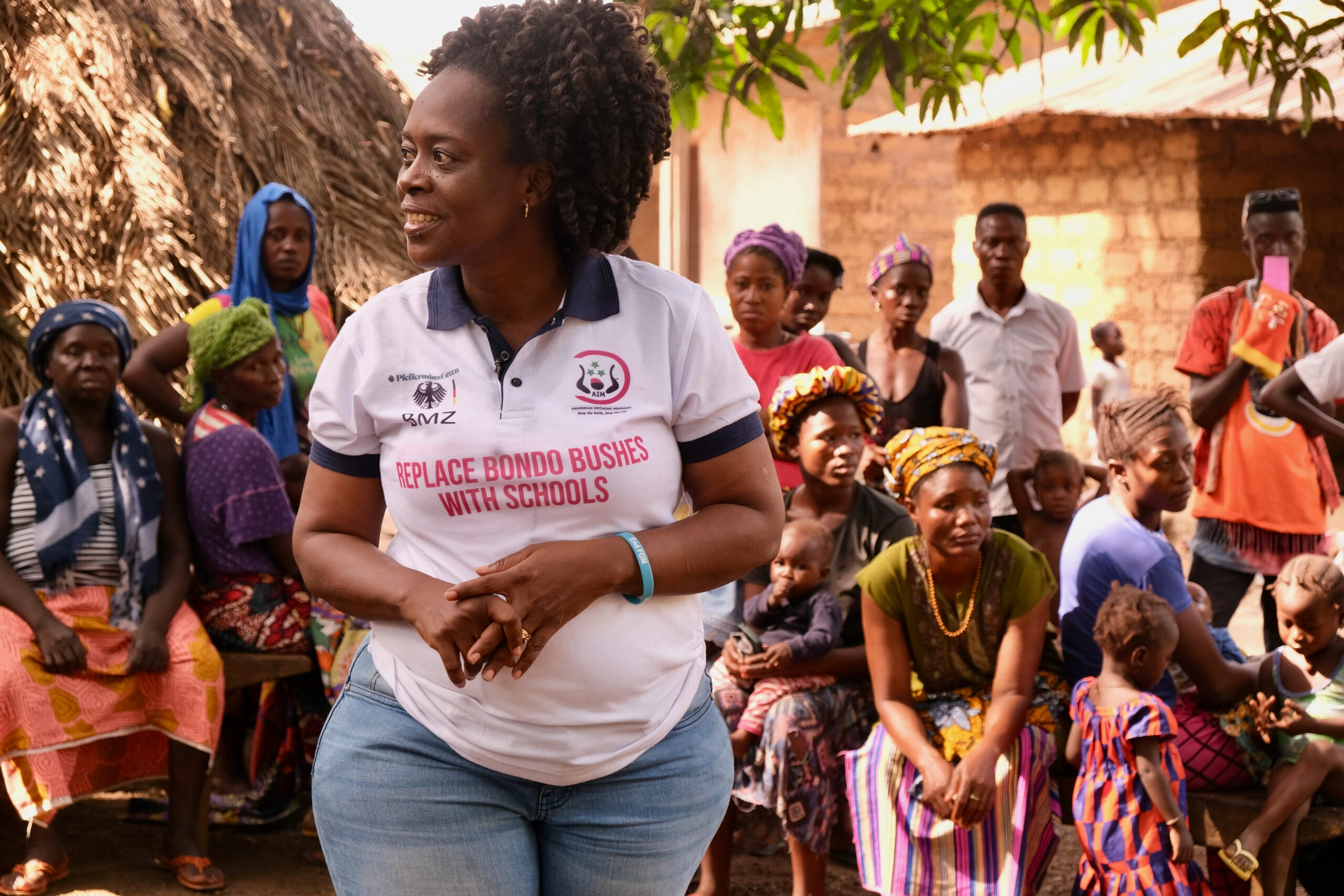
Rugiatu Turay Campaigning in Sierra Leone
While FGM initiation ceremonies in Sierra Leone formerly occurred in forests, hence the name “Bondo Bush” initiation, the climate crisis mean that initiation now occurs within the home – “Bondo Houses”. As such, FGM initation is ongoing.
Yet despite their firsthand knowledge, experience, and trust within practicing communities, frontline organisations still receive only a tiny fraction of international funding.
The women most capable of identifying emerging risks are too often the least funded. This remains one of the biggest failures in the global response.
What Works
Across Africa, locally-led movements are developing approaches specifically designed for fragile and climate-vulnerable settings.
Thanks to grassroots women, ending FGM is no longer a question of how, but when. The solutions already exist – and they’re proven.
One of the most effective has been the Born Perfect Caravan model – mobile, survivor-led campaigns that travel village to village using community dialogue, local radio, films, survivor testimony, medical and legal expert knowledge, and engagement with religious and traditional leaders.
The model has proven particularly effective in areas where state systems are weak or overstretched.
Unlike many large international programmes, frontline-led caravans and media campaigns are flexible, low-cost and deeply rooted in local realities.
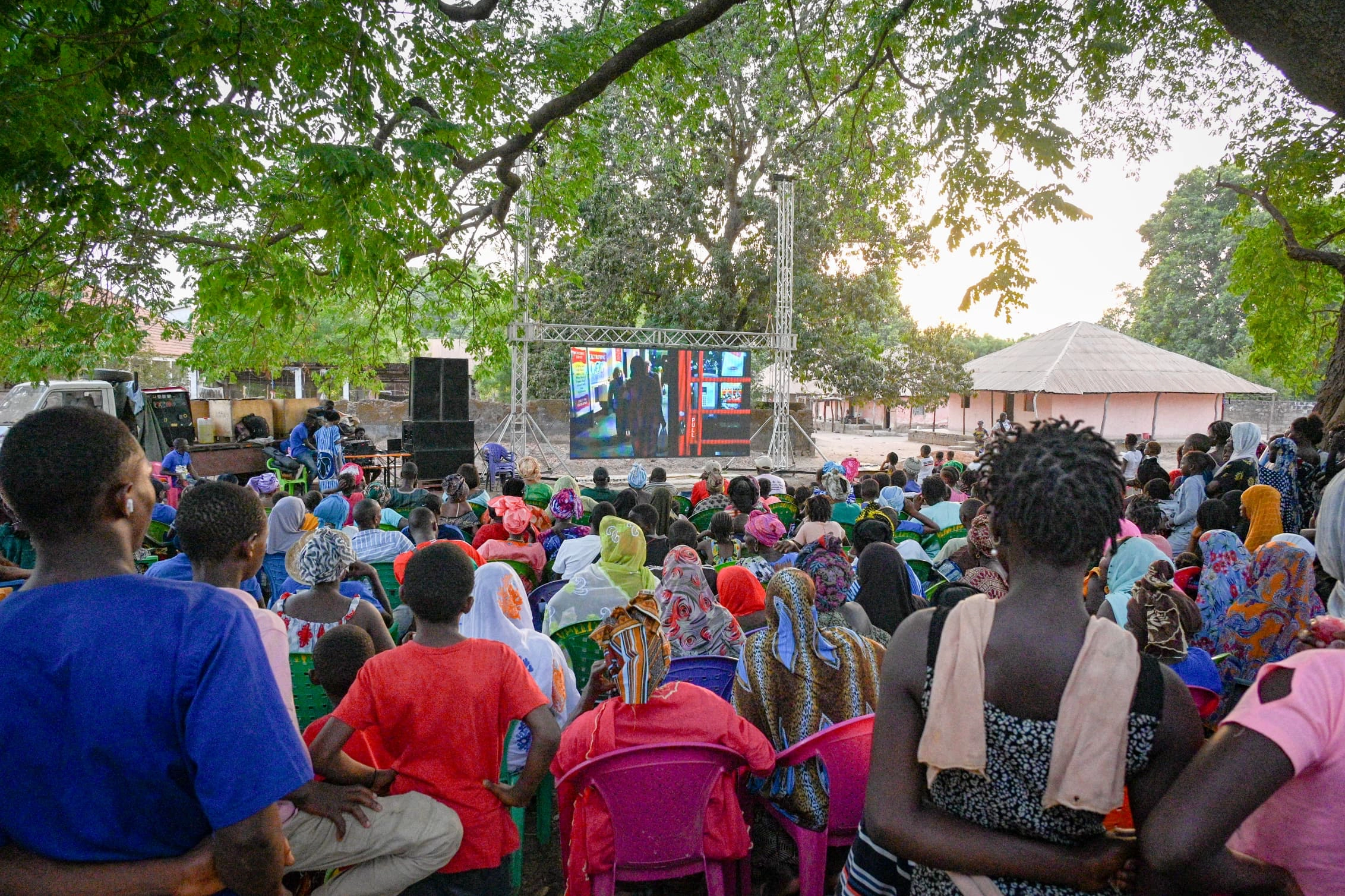
In Guinea-Bissau – one of the countries most vulnerable to climate change – grassroots-led caravan campaigns achieved extraordinarily high levels of attitude change, even in some of the hardest-line FGM communities, with 94% of people who saw the caravans saying it changed their minds about FGM. In Liberia, the result was similar – 85%.
Now, local activists in Kenya and Somalia are working with impact measurement experts at Vivid Research and DataMill to measure the impact of the upcoming Born Perfect Caravans and media campaigns.
FGM Is Everyone’s Business
Climate finance is growing rapidly. But FGM remains almost entirely absent from climate discussions.
FGM is not a single-issue problem – it is deeply interconnected with maternal health, education, poverty, economic empowerment, gender inequality, displacement, humanitarian crises, and now, increasingly, climate change.
If the world is serious about climate resilience, then protecting girls from FGM and child marriage must become part of the conversation.
Frontline women’s organisations saw this crisis coming long before the international community did. They have already developed some of the most effective, low-cost and community-trusted solutions in some of the hardest-hit regions of Africa. Yet they remain dramatically underfunded.
As governments, philanthropists and climate leaders gather during Climate Week in London next month – there must be a growing recognition that FGM is everybody’s business.
The climate crisis is accelerating the pressures that drive FGM. But with direct investment in frontline women, proven community-led models like the Born Perfect Campaign, and stronger integration of girls’ protection into climate and humanitarian policy, progress does not have to be reversed.
The solutions already exist. The question is whether the world will fund them in time.