Every day, a staggering 121 women (Scientific Reports, 2023) die from complications linked to FGM, often during childbirth. Approximately 44,000 women and 20,000 babies suffer FGM-related deaths annually (WHO, 2006). Meanwhile, midwives and nurses from Imperial College London have developed a simple low-risk procedure addressing Type 3 FGM that could dramatically reduce this number and save thousands of mothers and babies annually, if delivered to the women who need it most.
Type 3 FGM: A Hidden Killer of Mothers and Babies
While all forms of FGM are physically and mentally harmful, Type 3, or infibulation, presents a unique and deadly threat.
Type 1: Partial or total removal of the clitoris.
Type 2: Partial or total removal of the clitoris and the inner labia.
Type 3: The most severe form, involving the narrowing of the vaginal opening by stitching the outer labia together.
Type 4: Any other form of intentional injury to the genitalia, including burning, piercing, scraping, stretching or pricking.
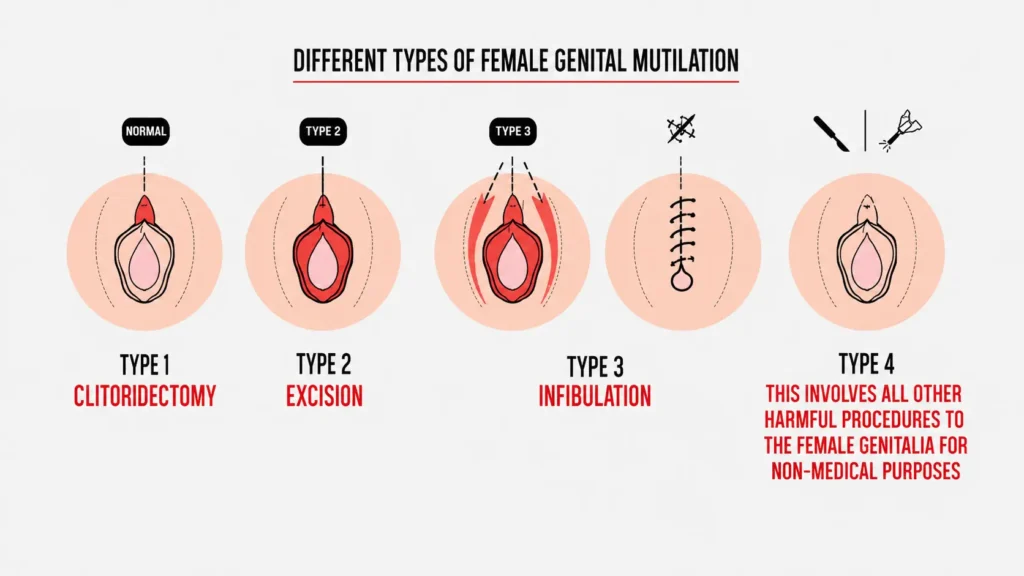
Involving the narrowing of the vaginal opening, leaving a small hole for urination, Type 3 FGM severely increases the risk of fatal health problems, particularly in child birth, causing obstructed labour and severe haemorrhaging. Neonatal mortality rises by 55% with Type 3 FGM (WHO 2006). It also intensified the life-long health complications caused by all forms of FGM beyond childbirth, including chronic pain, sever menstrual problems, cysts, nerve damage, chronic infections and inflammation, inability to have sex, as well as mental health impacts linking to PTSD, depression, anxiety, and deep trauma.
In Somalia, where 99% of women and girls are cut, and 79% of which are estimated to have undergone Type 3 FGM specifically (CARE 2023), “contributing significantly to the nations high maternal mortality ratio of 621 per 100,000 births” (WHO). That’s just under 1 in 10 women who die giving birth, often along with their newborns.
De-Infibulation
“I get about 10 calls a month from women who are getting married or are pregnant, terrified for their lives and asking me to help them get re-opened before they have to give birth. They don’t have the $100 to get re-opened. And they are terrified – because they know they may die in childbirth, with their babies.” – Ifrah Ahmed, survivor and leading Somali women’s rights activist, Ifrah Foundation
Imperial College London and the UK’s NHS have developed a life-changing procedure that re–opens survivors who have been sewn shut by Type 3 FGM. As a critical step to physical and mental healing, it reduces childbirth risks and life-long health complications dramatically, improving quality of life for 10 million women living with Type 3 across the world.
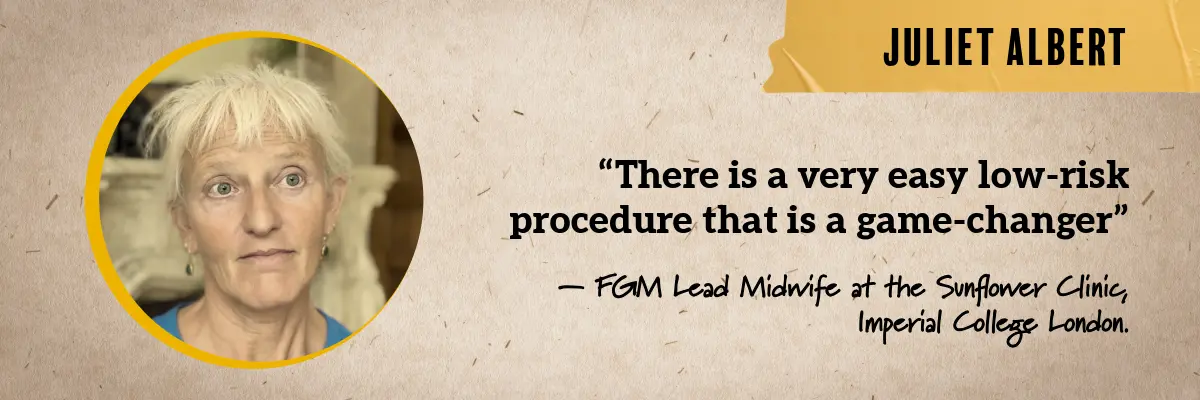
Juliet Albert, FGM Lead Midwife at the Sunflower Clinic, Imperial College London, and Huda Mohamed MBE, FGM Specialist Lead Midwife at Whittington Hospital, are two of the UK’s leading experts in specialist care for survivors of FGM, with decades of combined experience in maternal health, deinfibulation expertise, training healthcare professionals, and advancing survivor-centred approaches.
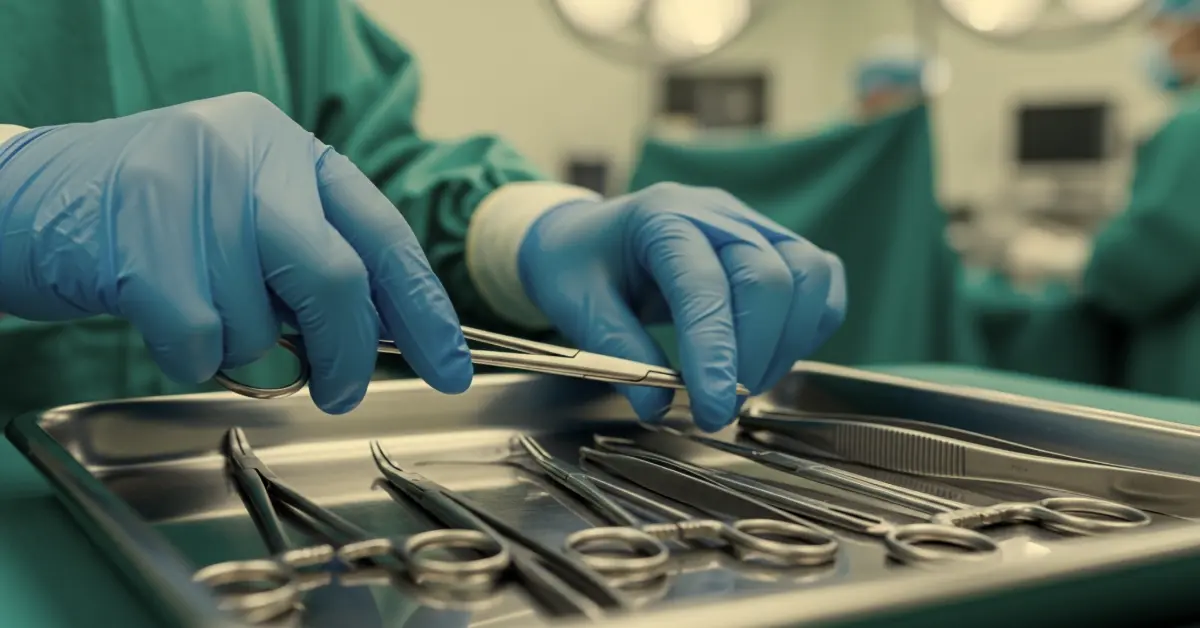
Requiring only sterile equipment, a suture pack, and local anaesthetic, the procedure takes 20 minutes, the trauma-sensitive de-infibulation procedure is estimated to cost less than $20 per woman – a vast difference to the $100 cost in many practicing countries across Africa.“I feel like I’ve got a new life”, a survivor who had undergone the de-infibulation procedure at Imperial College London told Juliet.
Please accept YouTube cookies to play this video.
If you accept this notice, the page will refresh.
Now, they are working with GMC to expand the reach of de-infibulation services to the last mile – bringing it to vulnerable women in remote and high-prevalence areas who need it most.
Saving Lives at The Last Mile
The Global Media Campaign to End FGM is working with Juliet and Huda to bring this life-changing de-infibulation procedure to survivors in remote communities in Africa who would otherwise struggle to access such services.
In communities where the complications of FGM are rarely spoken about, survivors are often unaware of the risks to expect when getting married or falling pregnant. Mobile medical advice and referralsfor the de-infibulation procedure will be launched this year on board the Born Perfect Caravans – which travel village to village changing minds about FGM – offering the medical consultations and surgery referals to survivors in hard-to-reach communities.
The model trains local medical professionals in performing the procedure with a trauma-sensitive and medically safe approach, strengthening local health systems with the target of integrating the procedure into national health services to encourage national self-sufficiency in supporting survivors of FGM and performing re-opening surgery for women with Type III FGM.
“Women don’t actually understand that this is her body, this is her right. She can be de-infibulated at any point, whether she is pregnant or not pregnant” – Huda Mohamed MBE, FGM Specialist Lead Midwife at Whittington Hospital.
For those hesitant to do the procedure due to stigma and societal pressure, women are provided with a medical certificate stating that the deinfibulation procedure was done as a medical requirement for her health. Beyond the procedure, our clinics provide vital services like diagnosis, emotional support, and medical certificates, ensuring a holistic path to healing.
Despite costing $100-150 for women in countries such as Somalia, this de-infibulation procedure costs less than $20 per woman for this programme, but its impact is immeasurable. Your donation ensures that we can bring this life-saving service to every woman in need, free of cost. Join us on our mission to leave no woman behind.