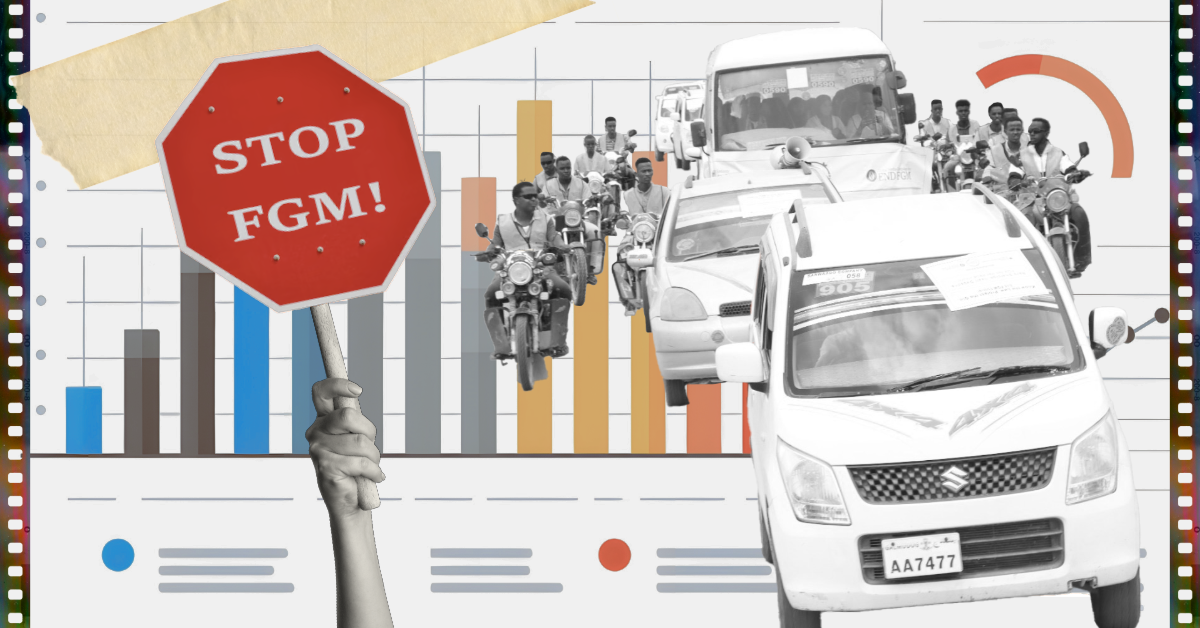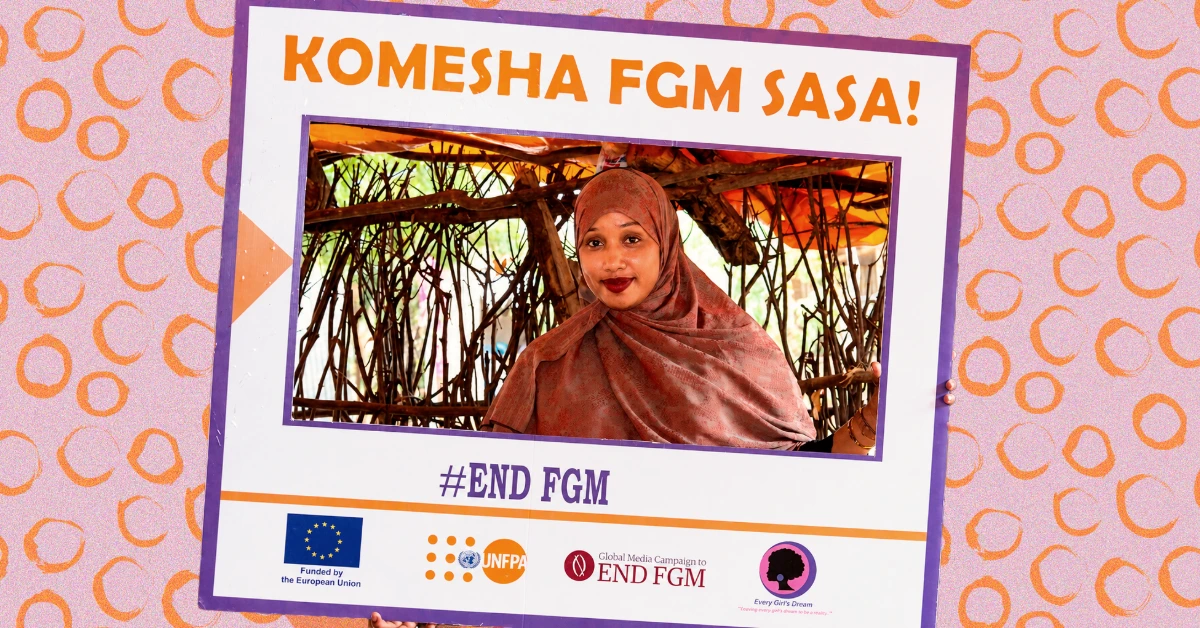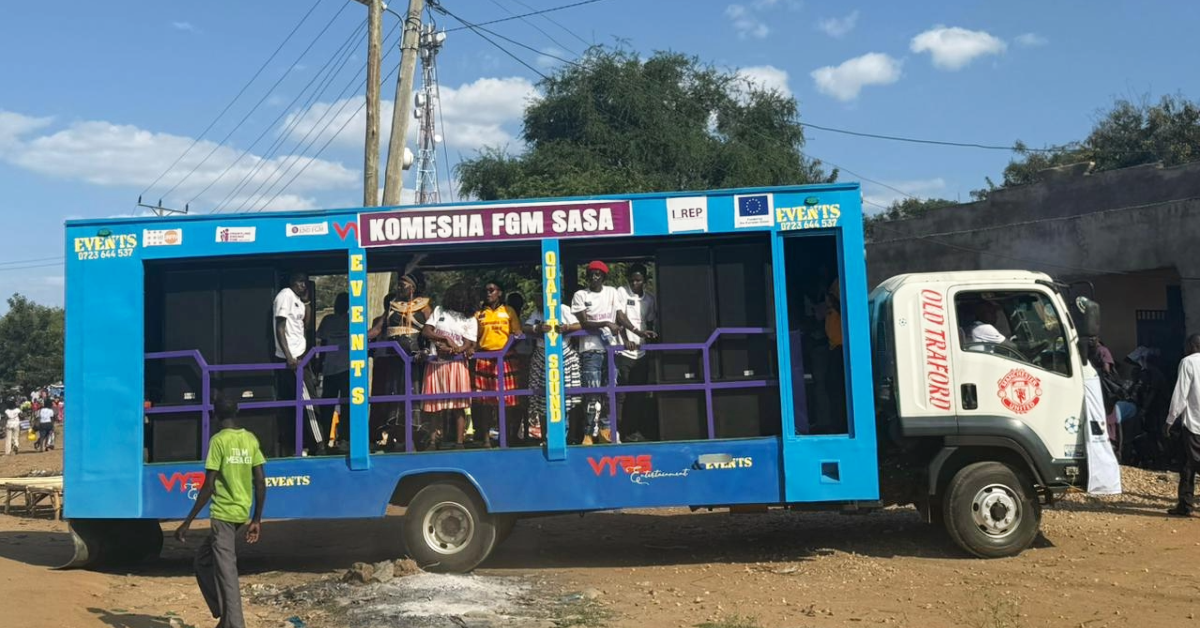
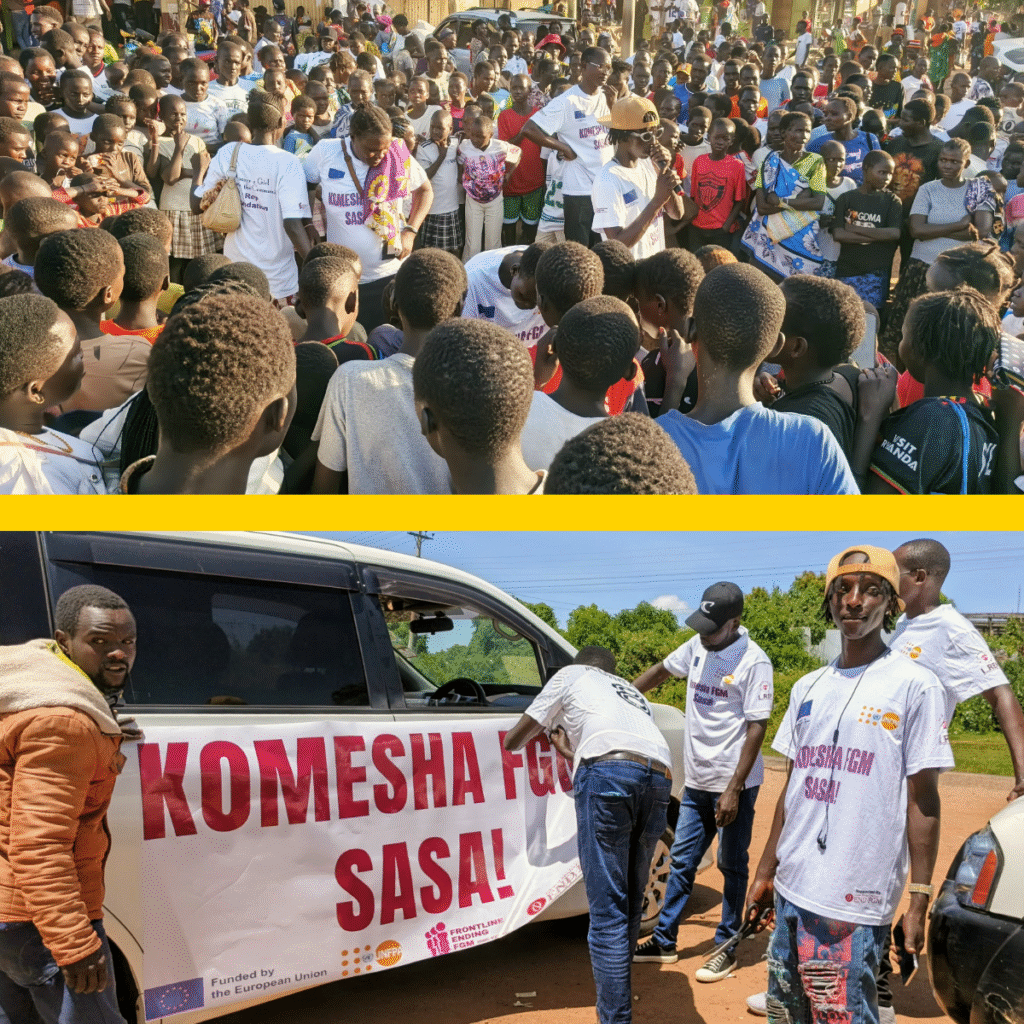
Year 1 Results in Kenya from West Pokot, Isiolo, and Tharaka Nithi Show Growing Community Action as Year 2 Plans Commence for the EU-Funded Komesha FGM SASA! programme. Over 30,000 community members were reached across the three counties through Born Perfect Caravans, barazas, radio programs, and youth engagement. More than 17,000 people were directly engaged through the Born Perfect Caravans alone, including in hotspot areas such as Lomut, Sigor, Akiriamet, Masol, and Kambi Karaya in West Pokot; Garbatulla, Malka Daka, Duse, and Boji in Isiolo; and Marembo, Mariani, Kaanwa, Nkio, Weru, Kathwana, and Kithanjeni in Tharaka Nithi.
This sustained presence is driving visible shifts in attitudes. In West Pokot, 115 men and 100 community leaders publicly denounced FGM, including during dialogues in areas like Akiriamet and Lomut. In Tharaka Nithi, touched young men made two public declarations, notably across Marembo and surrounding villages, committing not to marry circumcised women upon understanding the complications FGM creates. Across all three counties, community declarations and public commitments are signaling a growing collective rejection of the practice.
From Awareness to Action: Protecting Girls
The programme is delivering tangible protection outcomes at community level. In Lomut, Sigor, and Masol (West Pokot), over 20 girls at immediate risk of FGM were successfully protected during peak cutting periods in November and December alone during the December school holidays. The programme also recorded six reported cases of suspected cutting, reflecting increased trust in reporting mechanisms.
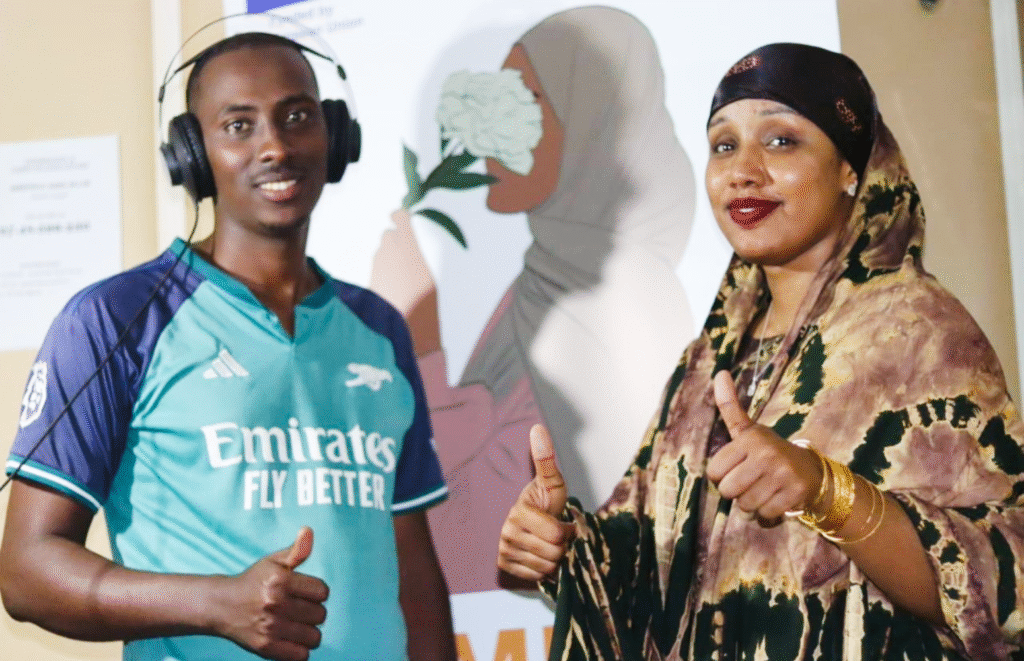
In Garbatulla and surrounding areas in Isiolo, communities reported suspected cases for the first time following caravan outreach and radio engagement through local stations, marking a critical shift from silence to proactive prevention.
Strengthening Local Systems and Accountability
Community-led systems are becoming more robust and locally owned. A total of 19 anti-FGM committees were established and operationalised across West Pokot (10 committees) including in areas such as Lomut and Masol, and Tharaka Nithi (9 committees) across villages like Kaanwa, Nkio, and Kathwana. Additional structures are beginning to emerge in Isiolo, particularly around Garbatulla.
These committees are actively monitoring risks, coordinating prevention efforts, and linking communities to law enforcement and child protection services. Their work has already contributed to increased vigilance, community reporting, and enforcement actions against perpetrators.
Looking Ahead to Year 2
As the programme moves into Year 2, commencing in May 2026, efforts are focused on significantly scaling impact through increased investment at the frontline, particularly in high-risk and hard-to-reach areas such as Boji, Malka Daka, Masol, and interior Tharaka communities.
Key priorities include:
- Expanding caravan outreach across remote hotspots
- Increasing engagement with mothers, elders, and community decision-makers
- Strengthening community surveillance and rapid response systems
- Scaling vernacular radio and local media campaigns
- Supporting additional public declarations to abandon FGM
- Enhancing rescue pathways for girls at risk
- Amplifying youth-led initiatives, including football and theatre engagement
Building on strong Year 1 results, this next phase aims to deepen community ownership and accelerate progress towards the elimination of FGM in Kenya.