In Wajir County, where Female Genital Mutilation (FGM) and child marriage continue to place girls at risk, survivor and grassroots activist Katra Mowlid Haji is leading efforts to challenge harmful practices and protect the rights of women and girls.
Katra, the founder and CEO of Women Organizing Women Organization (WOWN), has spent more than a decade advocating for the abandonment of FGM and child marriage across northern Kenya. As a survivor of FGM herself, her work is deeply rooted in personal experience.
“Because I experienced the effects of FGM firsthand, I knew I had to speak out so other girls would not suffer the same pain,” she says.
Despite pressure from members of her community, Katra made the decision to ensure none of her daughters underwent FGM- a stance that even cost her a political elective position. Her determination to protect girls, however, never changed.
From Survivor to Community Advocate
Through WOWN, Katra has developed survivor-centered initiatives focused on community dialogue, awareness raising, and grassroots advocacy aimed at ending FGM and child marriage. Working across Wajir East and Wajir South, the organization has brought together women, elders, youth, religious leaders, and local administrators to openly discuss the harmful effects of cutting girls and marrying them at an early age.
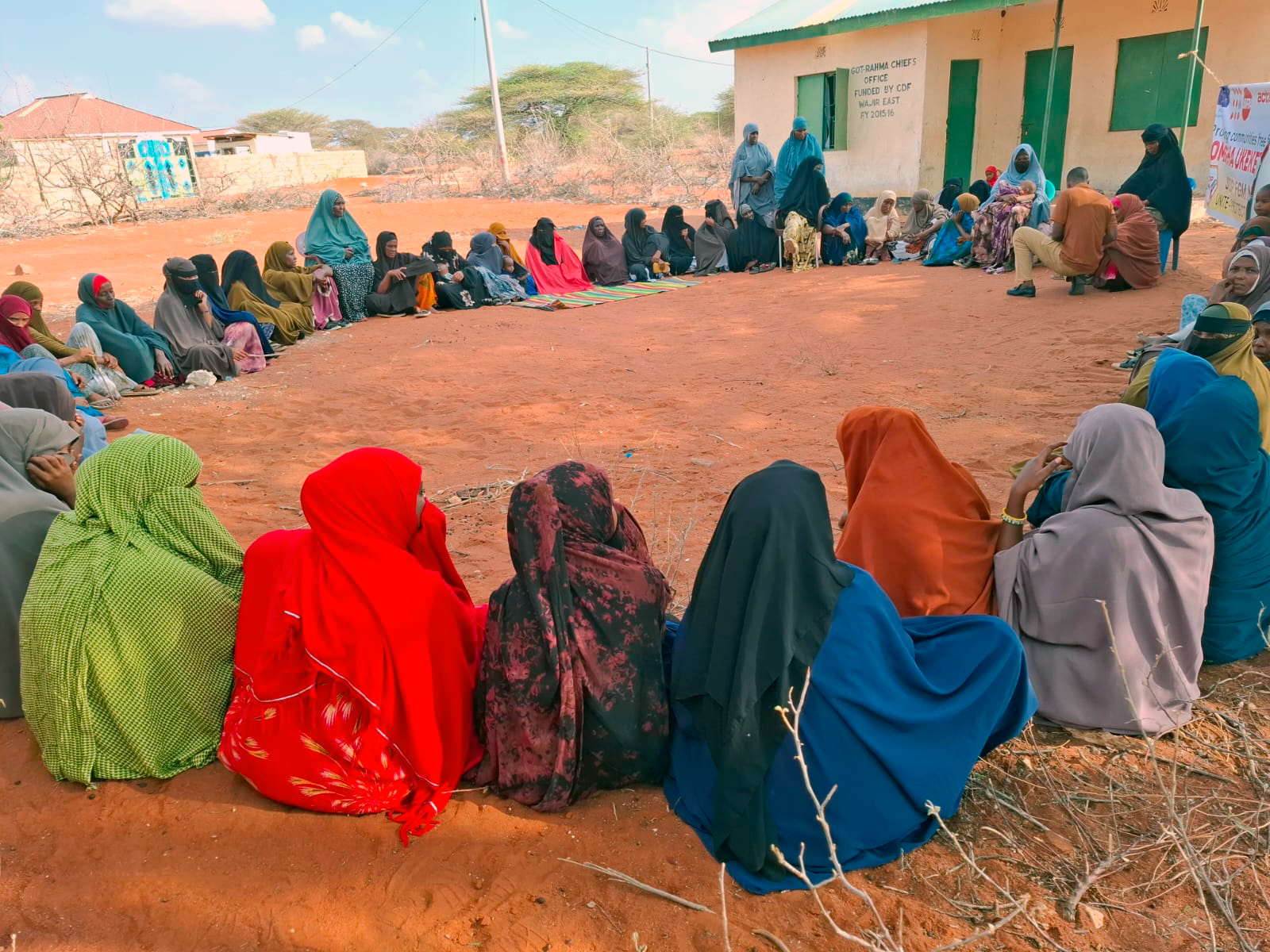
A key focus of the work has been engaging men and boys in conversations around protecting girls’ rights. Through mosque-based discussions, mentorship sessions, and community forums, male champions have worked alongside WOWN to challenge cultural norms surrounding FGM and child marriage while promoting positive masculinity and community responsibility.
The organization has also facilitated women’s reflective circles and inter-generational dialogue sessions where women, young people and the elders can safely discuss issues affecting girls in their communities, including school dropout, early marriage, violence, and lack of decision-making power.
Working with Communities Across Wajir
Supported by Global Media Campaign to End FGM and Frontline Ending FGM, WOWN has strengthened grassroots advocacy efforts across Wajir County, contributing to increased awareness around the dangers of FGM and child marriage and encouraging communities to abandon harmful practices.
Alongside its anti-FGM work, the organization has continued promoting women’s health awareness, including antenatal care services and HIV/AIDS sensitization.
Katra has further strengthened her advocacy through certifications from organizations including WHO, UNICEF, African Leaders Initiatives, and TB Arc in partnership with Kenya’s Ministry of Health.
Today, Katra remains one of Wajir County’s leading voices against FGM and child marriage, demonstrating how survivor-led activism and community dialogue can help create safer futures for girls across northern Kenya.
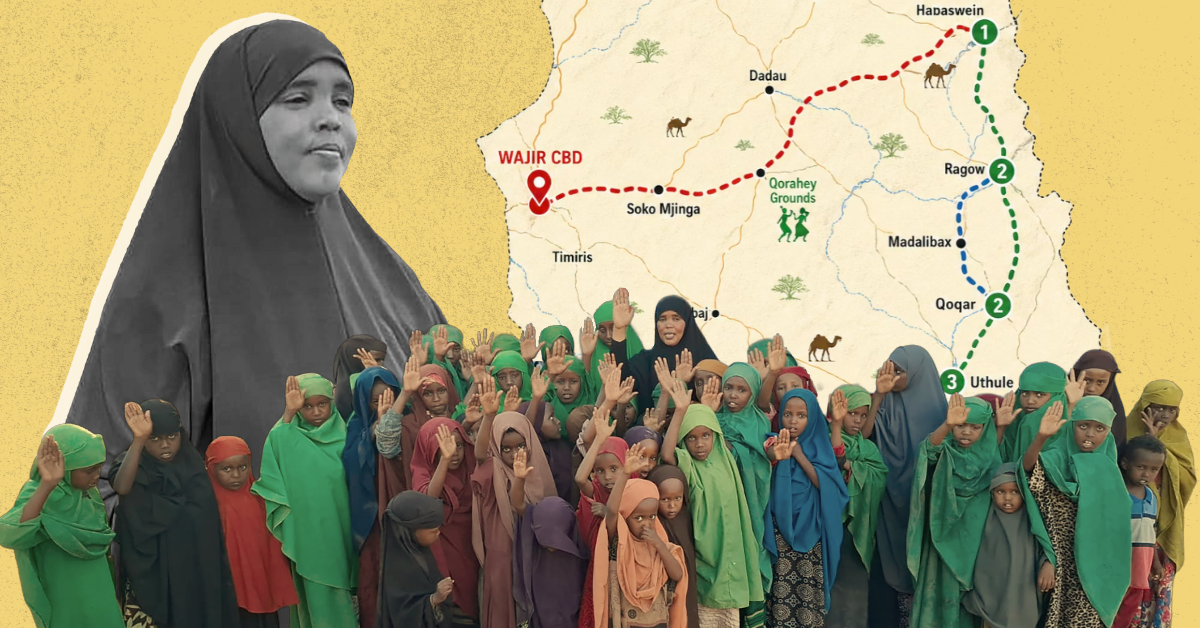
This month, Katra will lead the launch of the Born Perfect Caravans across 12 stops in Wajir County, reaching remote communities where FGM prevalence remains among the highest in Kenya. The initiative, funded by the German government and delivered in partnership with the Ifrah Foundation and Global Media Campaign to End FGM, will combine community outreach with local media campaigns to bring awareness of FGM laws and risks directly to villages.
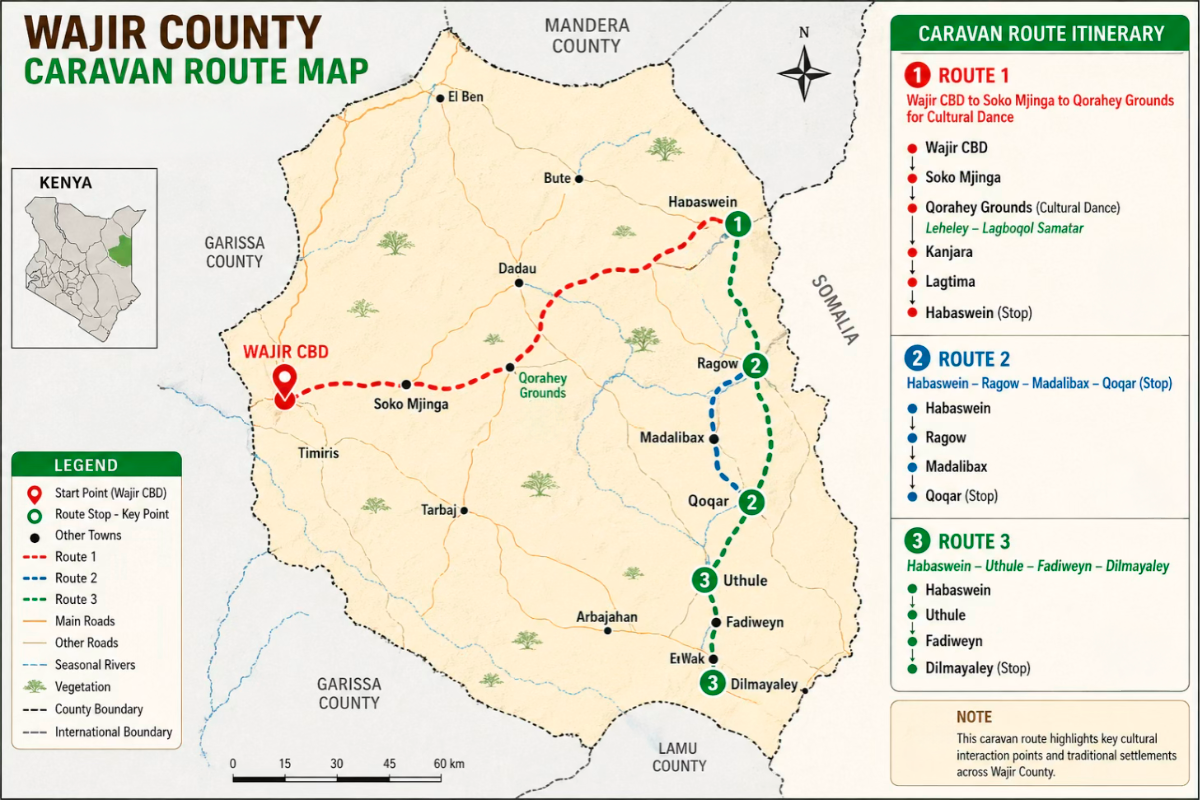
Alongside the caravan launch, Katra and her team will also lead a major impact measurement process, carrying out both baseline and endline studies to measure how attitudes towards FGM shift over the course of the campaign.
Bringing Protection to the Last Mile
“For too long, the law has lived on paper while our girls live the consequences. This support from Germany is helping us carry the law to the villages, through caravans, through voices people trust, so protection is no longer distant, but present in everyday life,” says Katra.
“Real change in Wajir does not come from outside, it comes when local organisations are trusted to lead. This partnership is shifting power to the community, where conversations about FGM can happen openly, and where change can finally take root.”
“In our communities, culture is strong, but so is our commitment to protect our girls. With this support, our caravans and media campaigns are reaching places where silence once ruled, turning awareness into action and giving families the courage to choose a different future.”