Across Sierra Leone and Liberia, the Bondo and Sande secret women’s societies remain among the most influential traditional institutions shaping the lives of women and girls. To outsiders, the societies represent celebration of womanhood, tradition, and a pathway into adulthood. To the girls who were once excited to join, they are inseparable from the hidden violence of Female Genital Mutilation (FGM), trauma, and silencing.
For generations, these secret societies have played a central role in community identity, social belonging, female initiation, and cultural continuity. Today, frontline activists are exposing the concealed FGM initiation ceremonies of Bondo and Sande societies, and working closely with community leaders to remove it from their culture.
Bondo and Sande Culture
Bondo and Sande societies are traditional women’s secret societies found primarily in Sierra Leone and Liberia, but also in parts of Guinea and Côte d’Ivoire.
The societies have historically functioned as powerful social institutions responsible for:
- Initiating girls into womanhood
- Passing down cultural knowledge
- Teaching domestic and social roles
- Preparing girls for marriage and adulthood
- Creating strong female networks and solidarity
- Preserving local traditions and spiritual practices
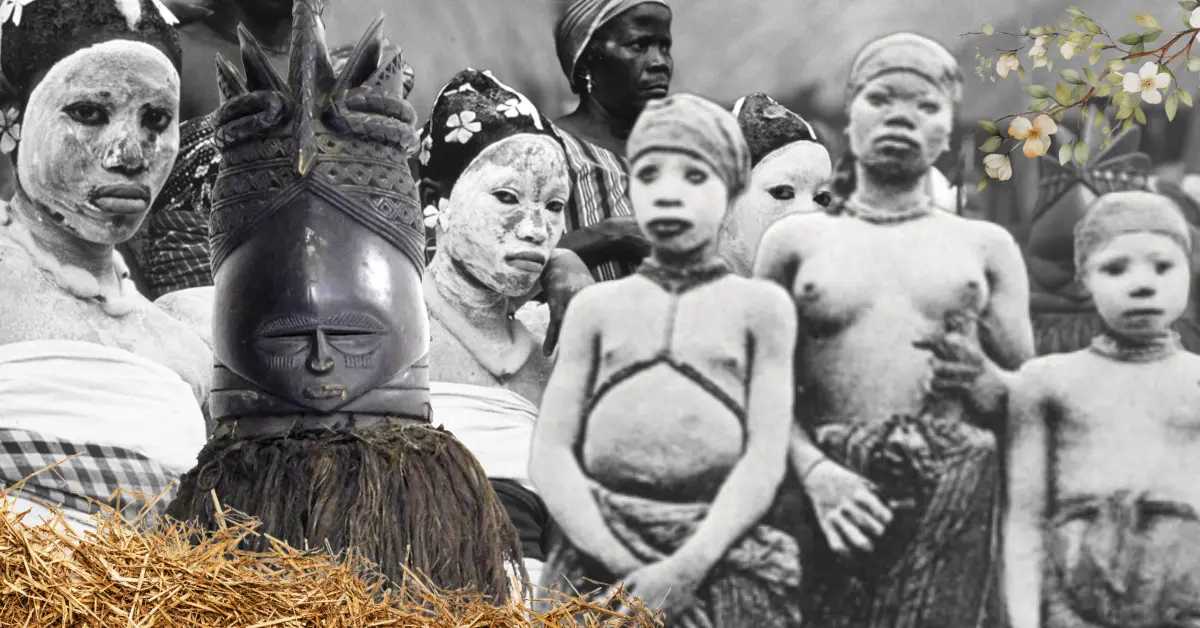
Societies are often deeply tied to identity and belonging. Girls often spend weeks in secluded initiation spaces – often referred to as “Bondo bushes” or initiation camps – where older women teach them songs, dances, discipline, social responsibilities, and the expectations placed on women within the community.
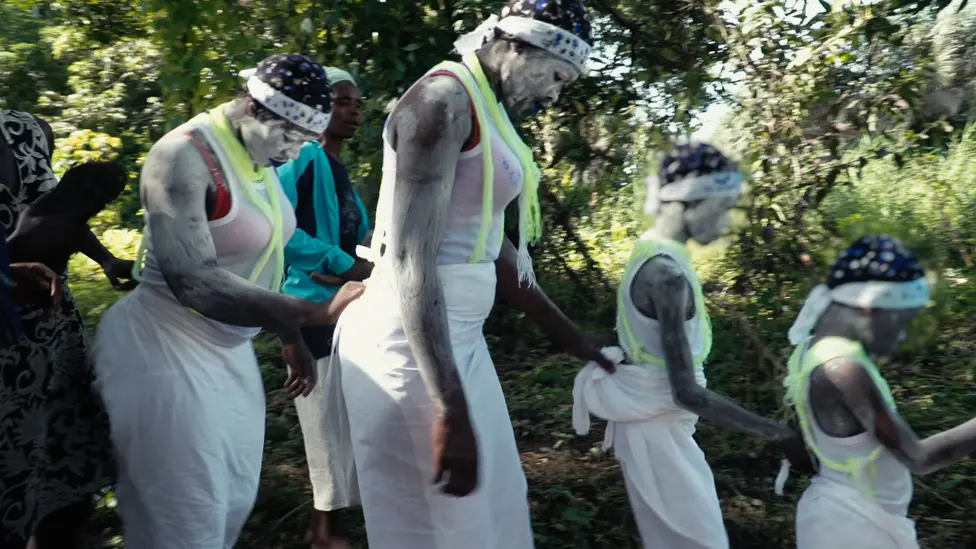
Membership has historically shaped whether a woman is considered socially acceptable, marriageable, or fully part of community life.
Hidden Violence
However, these secret societies have a hidden violence – girls unknowingly enter initiation ceremonies where they are forcibly cut as a “rite of passage” into womanhood.
Sierra Leone has recorded some of the highest FGM prevalence rates in the world – hitting 96% in some regions. Girls who are not cut can face stigma, exclusion, mockery, and pressure from family or peers.
FGM is usually carried out by traditional cutters known as “Soweis” or “Zoes” – women who often hold significant influence and authority within communities, and performed in non-medical settings without anaesthetic or sterile equipment.
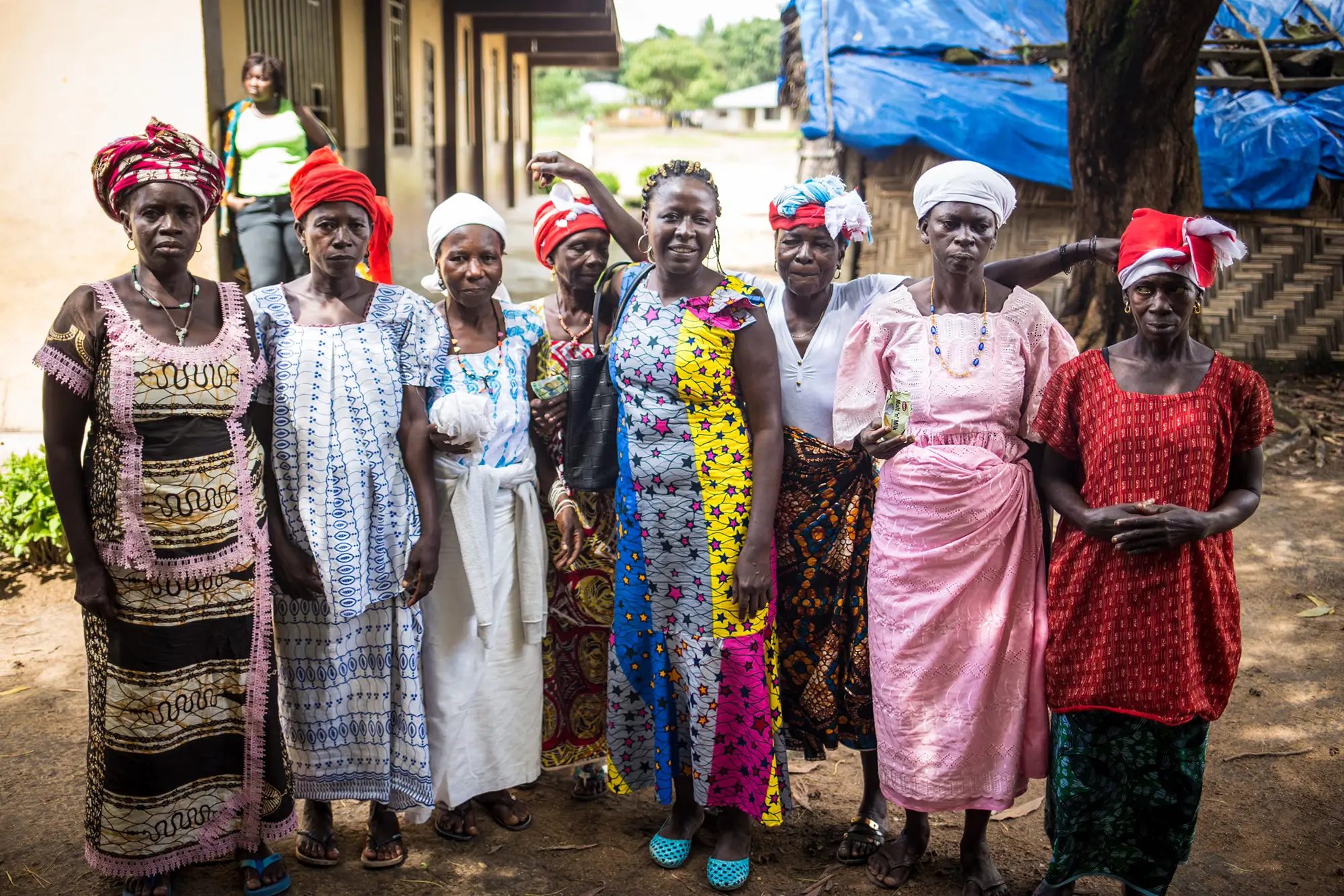
A group of soweis, the most senior women in the Bondo secret societies. The chiefdom’s head sowei, seen here wearing a pink dress, is Jeanette Bangura. In the centre, wearing a yellow and blue dress, is Ann-Marie Caulker, an anti-FGM campaigner.
In some areas, girls may be cut during mass initiation ceremonies involving large numbers of children.
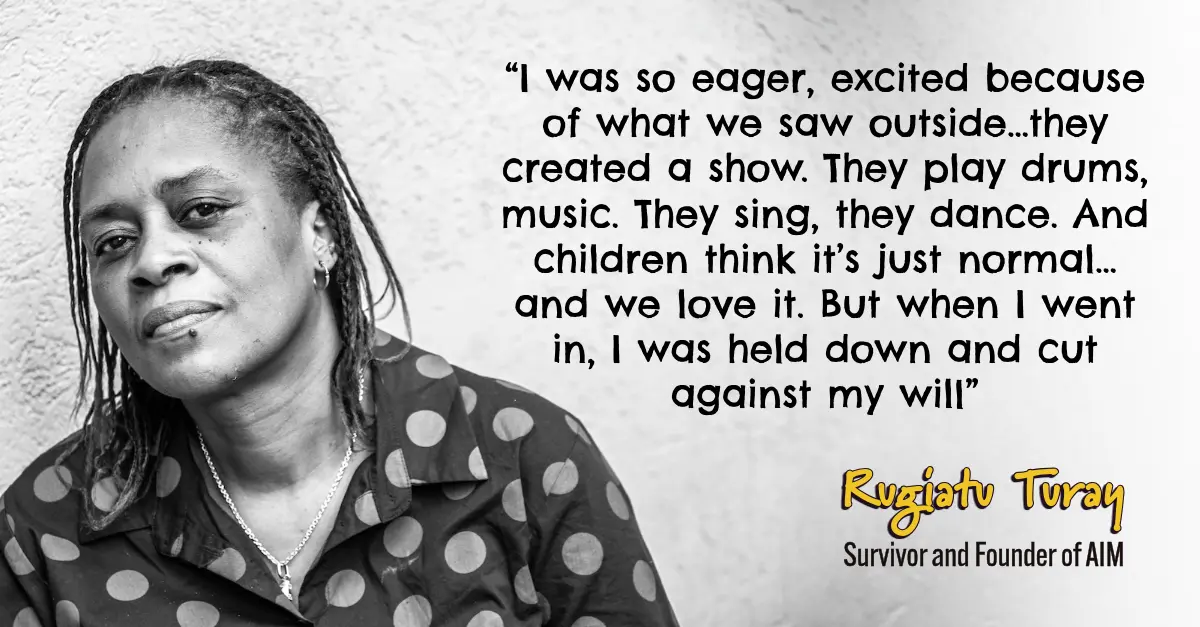
Survivors frequently describe severe pain, bleeding, infection, psychological trauma, and long-term childbirth complications. Rugiatu Turay, renowned anti-FGM activist and survivor, reported “bleeding for three days” and developing a life-threatening infection.
The Challenge
Bondo and Sande societies are treated as sensitive because the societies are intertwined with cultural identity, female solidarity, and authority structures.
Objection of FGM is sometimes interpreted as an attack on culture itself.
The political influence of these societies means that politicians have often been reluctant to confront the issue for fear of alienating influential voting blocs or traditional leaders. The President of Sierra Leone even said that benning FGM would be “political suicide”.
Despite international pressures and the recent ECOWAS ruling – recognising FGM as “torture” and urging West African countries to criminalise it – the governments of Sierra Leone and Liberia are showing little intention in doing so.
Many international campaigns in the past struggled because they were perceived as externally imposed or dismissive of local traditions. Sustainable change can only happen when communities themselves lead the conversation – hence the unprecedented results of sustained locally-led campaigns.
“Bloodless Rites”
In 2023, the Amazonian Initiative Movement (AIM), led by survivor and founder Rugiatu Turay, drove the development of “Bloodless Rites” in Sierra Leone.
For more than two decades, AIM has worked directly inside hardline Bondo communities to mobilise Sowei leaders, chiefs, mothers, and traditional authorities to remove FGM from Bondo Society.
The “Bloodless Bondo” model has become increasingly influential as communities are far more willing to abandon cutting when they do not feel their culture was under attack. Now, former Sowei leaders have publicly abandoned cutting and chiefs are committing to FGM eradication.
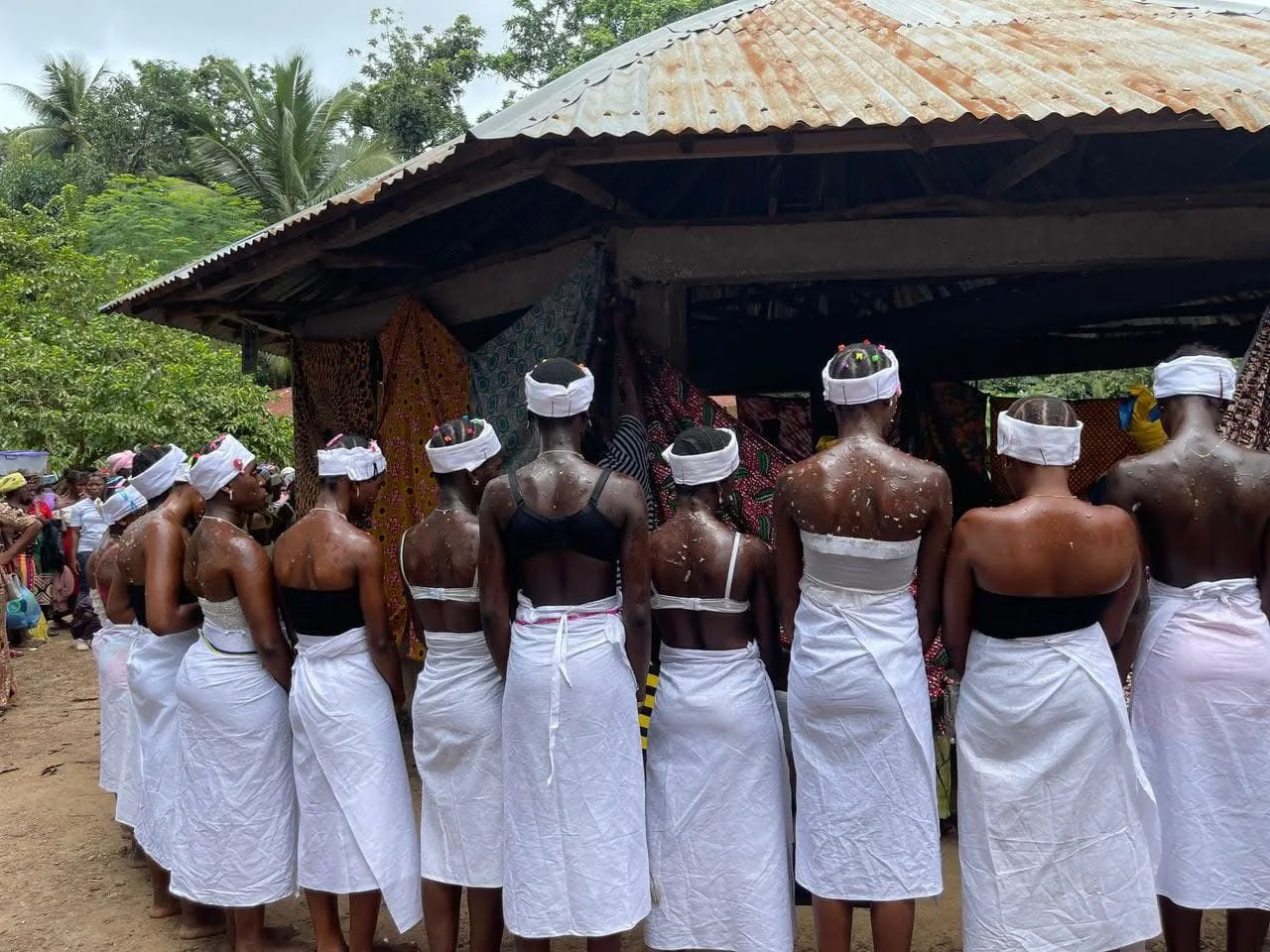
Girls initiated into “Bloodless Bondo Society”– an alternative to FGM championed by Amazonian Initiative Movement (AIM)
Locally-led mobilisation means that many women who were once afraid to speak publicly are now sharing their experiences through.
“I saved five of my friends just because I spoke. They are protected. They are not cut.”, Rugiatu Turay said when recalling her own experience with FGM.
Born Perfect Campaign
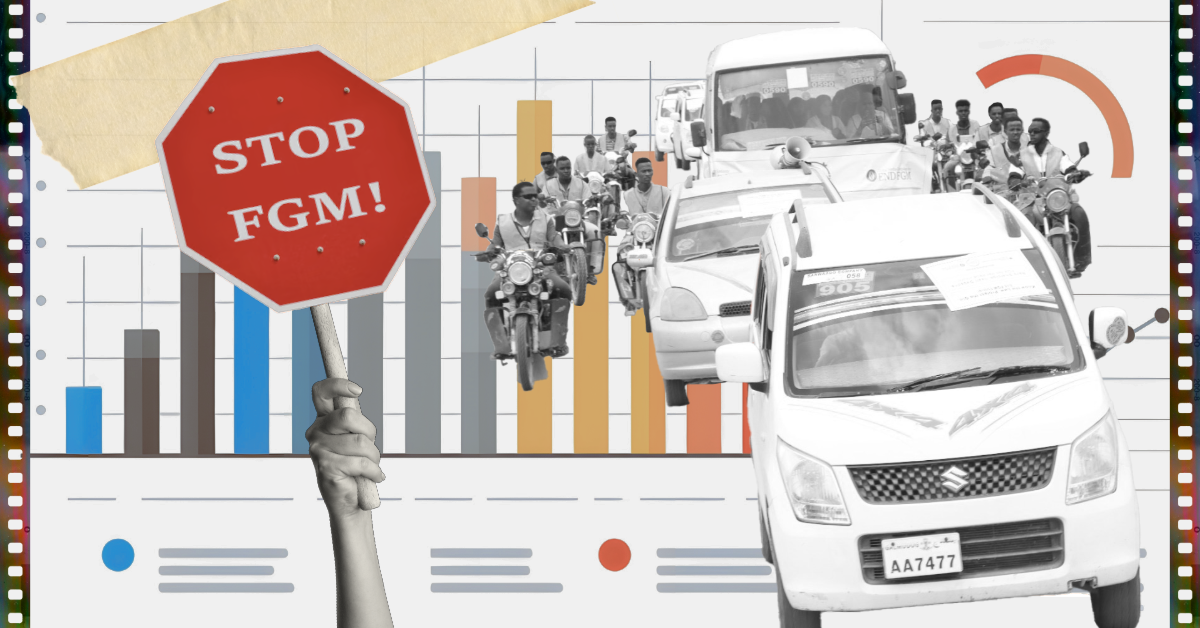
In Sierra Leone, the Born Perfect Bus Tour “exceeded all targets” when travelling through hardline Bondo regions as frontline leaders exposed the truth about FGM and brought the ECOWAS ruling that “FGM is torture” into remote communities.
The Born Perfect Campaign – led by frontline activists – has become one of the most visible grassroots efforts changing social norms on FGM in high-prevalence communities. Local activists are delivering incredible results through:
- Local media (radio, TV)
- Community-led caravans
- Working with local influencers
- School outreach
- Survivor support groups
- Films and storytelling
While the caravan pilot changed the minds of 85% of participants in Liberia this year, community members referred to Sierra Leone launch – led by AIM – as “true days of learning” while community leaders officially chose Bloodless Bondo as an alternative.
Parents have since requested AIM’s continued presence and support in the chiefdoms, and the team is still receiving calls from traditional leaders requesting the Bus Tour visit their communities.
Evidently, when local women are supported to carry out sustained frontline-led campaigns in their own communities, they hold the trust and experience to change minds in real time. Now, it is time to back them.
“We have never seen anything like the reaction. Mothers from other villages were calling us to bring our Caravans there…We have finally found the key to eradicating FGM after decades” – Rugiatu Neneh Turay, Survivor and Founder of AIM.