Female Genital Mutilation is not a standalone issue. It shapes whether a girl stays in school, whether she is pushed into early marriage, and whether she survives childbirth.
FGM sits at the centre of some of the biggest global challenges—education, maternal health, gender equality, poverty, and even climate change. It is everyone’s business.
Despite commitments to end FGM by international bodies and donors, progress has largely been uneven, and in many of the highest-prevalence regions, hundreds of thousands of girls are at risk of being mutilated every year.
Change Starts on the Frontline
Only recently has there been a recognition that external actors and large institutions are not effective for ending FGM.
Frontline women, survivors, activists, and local leaders—those who understand the social, religious, and cultural dynamics at play—are the ones who can end FGM.
They have the trust and experience to challenge and change social norms.
A Growing Movement Across Africa
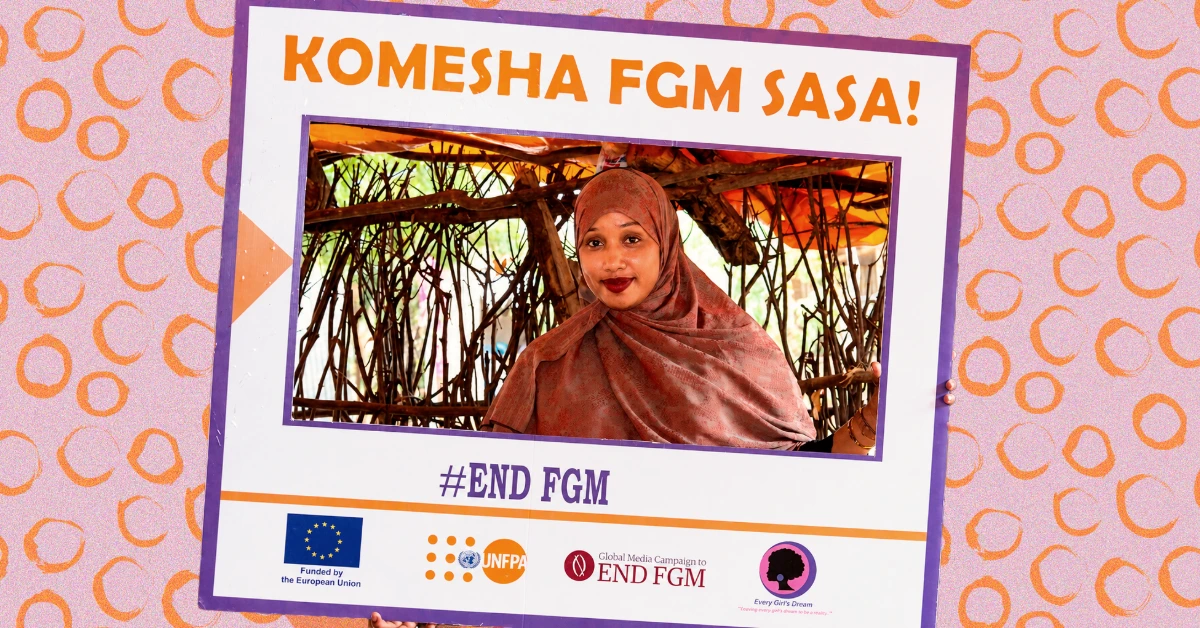
A revolution is forming across Africa. In the midst of an aid crisis, grassroots activists are working together to deliver one clear message: girls are born perfect.
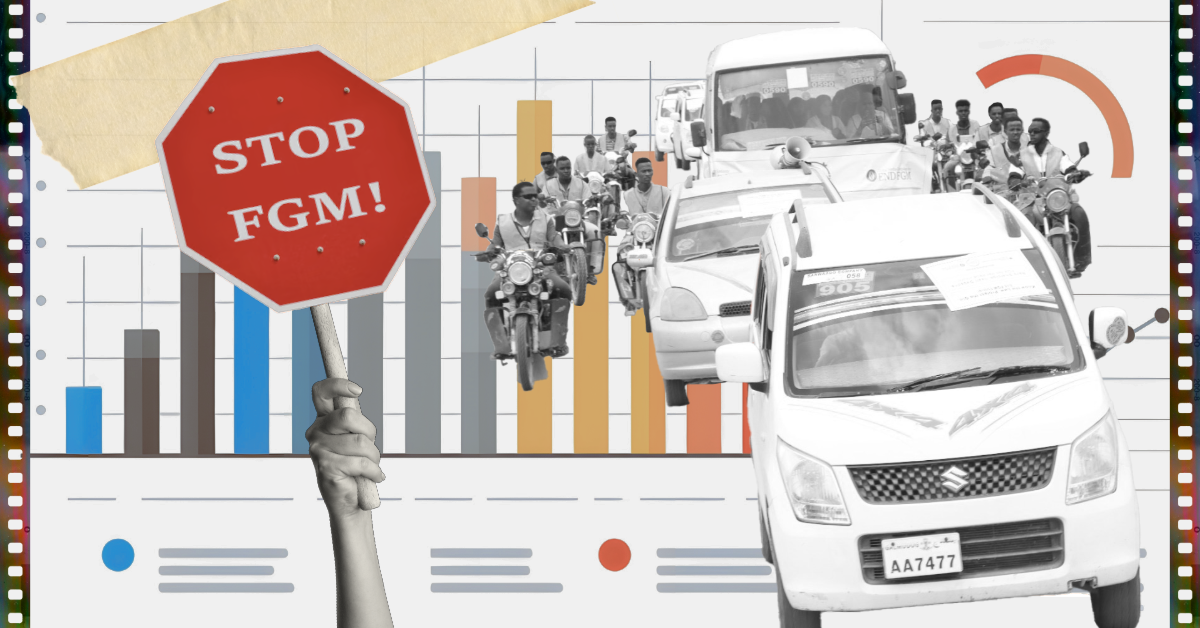
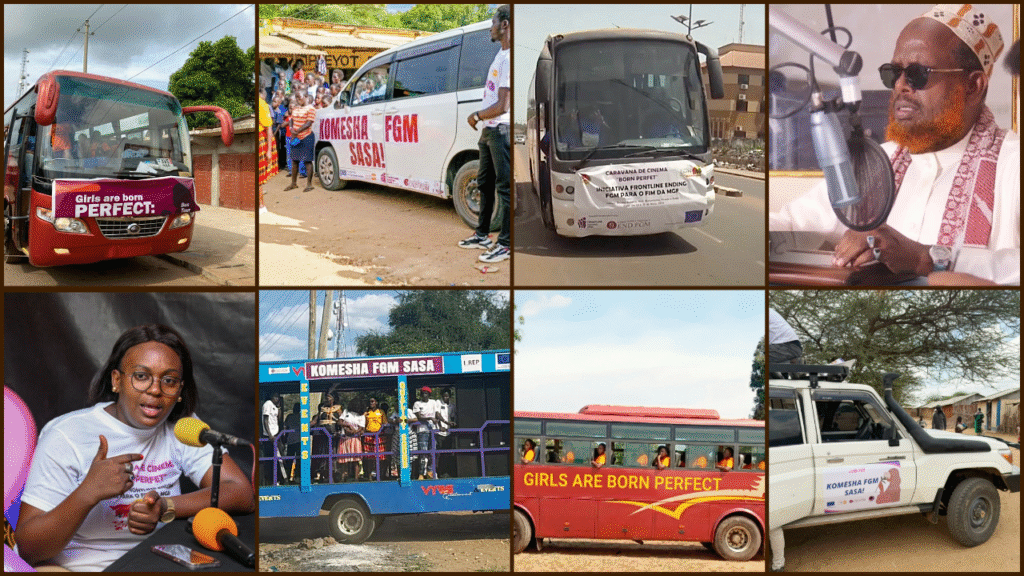
They reach remote, high-prevalence communities through the Born Perfect Caravans and local media campaigns, speaking openly with parents of the most vulnerable girls about the risks of FGM.
They work with local cultural influencers and religious leaders to bring religious, legal, and medical messaging village to village—breaking the silence so communities can begin questioning a practice that has gone unchallenged for generations.
What the Evidence Shows
When local activists are supported, they deliver real change.
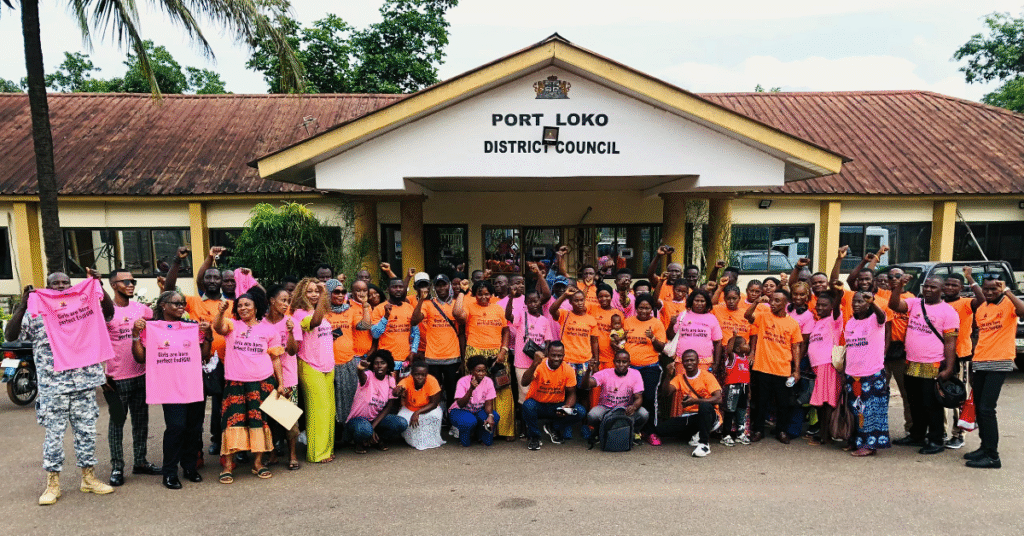
An average of 79% of people who engaged with the Born Perfect Campaign in Guinea Bissau, Liberia, and Sierra Leone said it changed their minds about FGM.
Next, frontline activists in Somalia are preparing to launch the Born Perfect Caravans, funded by the German government.
The Funding Gap
Despite these results, the vast majority of funding does not reach frontline organisations.
Instead, it is absorbed by larger systems and intermediaries—leaving those doing the most impactful work under-resourced.
The current climate presents a clear opportunity to shift power to the frontline, maintain momentum, and sustain cost-effective, evidence-based solutions that are already working.
A Moment to Do Things Differently
As global aid budgets come under pressure and funding becomes more constrained, there is an increased need to invest in approaches that deliver results while remaining cost-efficient.
Ending FGM is one of the areas where this is possible. The model is already in place, and the leadership already exists.
What is required now is a shift in how funding is directed—away from complex, top-heavy systems and towards locally led efforts that have demonstrated results.
Encouragingly, this shift is beginning to emerge. The Wallace Global Fund, which has been channeling funds to local women for over 40 years, is establishing a pooled fund for FGM eradication, focused on scaling evidence-based local solutions.
Everyone Has a Role to Play
Governments have a role to play in directing funding more effectively.
Foundations can focus on scaling proven frontline approaches.
Corporates looking to invest in meaningful social impact have an opportunity to support work that delivers clear, measurable outcomes.
And individuals can contribute by paying attention, supporting credible organisations, and helping to keep the issue visible.
Ending FGM is everyone’s business.
👉 Learn more: https://globalmediacampaign.org/fgm-is-everyones-business/